

G Web Design builds WooCommerce online stores for South African businesses that need to sell products or services online, with local payments, mobile-first checkout, and layouts designed to turn browsers into buyers. We are based in Cape Town and work with retailers, wholesalers, and service brands nationwide.
An online store is not a digital brochure with a shopping cart bolted on. It is where money actually changes hands. If checkout is slow, confusing, or missing the payment method your customer trusts, you lose the sale at the last step. That is the part we take seriously.
Ecommerce website design that sells, not just displays
South African shoppers browse on phones, compare prices quickly, and abandon carts if shipping or payment feels unclear. Your store needs to work in that reality: fast product pages, honest pricing, and a checkout flow that does not feel like a small adventure.
We map fulfilment, payments, and catalogue structure before we polish the homepage hero. Pretty product grids are nice. A store that completes orders on a Tuesday night on mobile data is nicer.
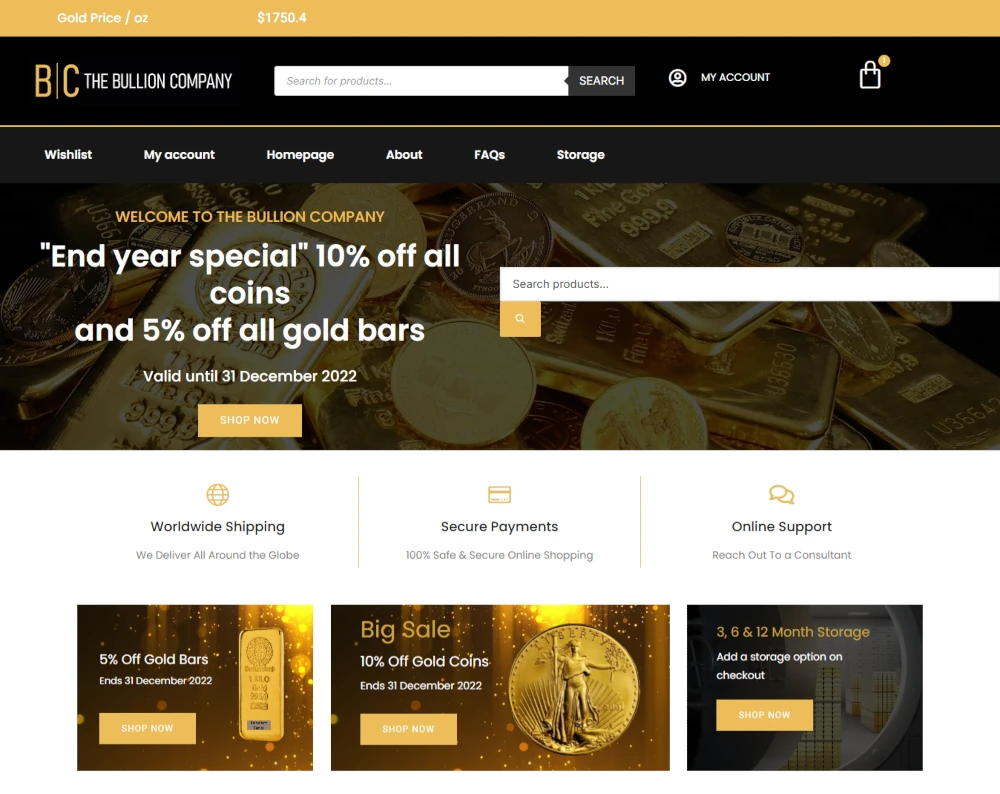
Who we build online stores for
- Retailers moving from social-only sales to an owned online store
- Wholesalers and B2B suppliers needing catalogue, quote, or account checkout
- Brands outgrowing Shopify or Wix and wanting WordPress control
- Existing WooCommerce sites that need redesign, speed, or conversion fixes
Need a brochure site first? See web design South Africa. Cape Town retailers with a local delivery focus can also read web design Cape Town.
We work with stores selling across South Africa: Johannesburg, Pretoria, Durban, Cape Town, and smaller markets where customers still expect PayFast, clear delivery costs, and a site that loads before they lose patience.
What is included in our ecommerce builds
- Custom WooCommerce theme aligned to your brand
- Mobile-first product and category pages
- PayFast and other SA payment gateway setup
- Shipping zones, flat rate, or courier integration (scope-dependent)
- Secure checkout, SSL, and sensible cart abandonment basics
- Product SEO: titles, meta, URLs, and structured data where appropriate
- Google Analytics and ecommerce tracking setup
- Admin training for products, orders, and coupons
You get a content management system you can actually use: add products, adjust prices, run coupons, and manage orders without emailing a developer for every stock update. If that sounds basic, ask anyone who has been locked out of their own store by a “simple” platform that was not simple at all.
Built to convert, not just display products
A catalogue that looks good but loses sales at checkout helps no one. We focus on the parts that affect revenue:
- Clear product photography placement and trust badges near add-to-cart
- Fast load times on mobile (most SA ecommerce traffic is phone-first)
- Simple checkout with local payment methods customers already use
- Search, filters, and categories that match how people shop your range
- Stock visibility, variant selectors, and shipping clarity before payment

Checkout is where the money is won or lost
We design checkout flows before we obsess over banner sliders. Guest checkout where sensible, minimal form fields, payment icons customers recognise, and shipping costs shown early enough that nobody discovers a surprise R120 delivery fee at the final step.
Trust matters online. SSL, secure gateways, clear returns policy links, and contact details on the store all reduce the “is this site legit?” moment that kills conversions.
Why WooCommerce for South African stores
WooCommerce runs on WordPress, the same platform we use for service and brochure sites. You get full ownership of your store, thousands of extensions when you need them, and no locked-in SaaS fees that climb with every sale. For most SA SMEs selling under a few thousand products, it is the right balance of flexibility and cost.
We configure WooCommerce properly from the start: tax settings for South Africa, currency, shipping logic, and payment gateways. Poor setup here is why many DIY stores fail at launch, usually discovered the day before Black Friday.
Ecommerce website design costs
Online store projects typically start from R7,000 depending on product count, custom design, integrations, and migration from an old platform. A 20-product fashion store is not scoped like a 500-product B2B catalogue with tiered pricing.
We quote after a short discovery call. For smaller budgets, see whether our affordable web design tier plus a phased ecommerce rollout makes sense. Phased launches are underrated: get core products live, learn what sells, expand the catalogue without rebuilding everything twice.
E-Commerce BASIC
- Up to 20 Products
- On-Page SEO
- WhatsApp Contact Button
- Contact Forms
- Social Media Integration
- 30-Day Post-Launch Support
- Custom Responsive Design
- Free .co.za domain for the year
E-Commerce STANDARD
Everything in e-Commerce Basic, plus:
- Up to 50 Products
- Google Analytics Setup
- Search Console Setup
- On-Site Security & Automated Backups
- 30-Day Post-Launch Support
E-Commerce PREMIUM
Everything in e-Commerce Basic & Standard, plus:
- Up to 100 Products
- Basic Copywriting
- Product Content Assistance
- 3 Optimized Blog Posts
- Priority VIP Support & Maintenance (3 Months)
Our ecommerce project process
- Discovery: products, fulfilment, payments, and target customers.
- Structure: categories, attributes, shipping, and checkout flow mapped before design.
- Design and build: WooCommerce setup, gateway testing, and mobile QA.
- Product load and review: you verify products, prices, and shipping on staging.
- Launch: go-live, analytics, and handover training for day-to-day management.
What we need from you to build your store
Product data is usually the bottleneck, not the design. The sooner this is ready, the faster your store launches.
- Product names, descriptions, prices, and variants (size, colour, etc.)
- High-quality product photos (original files, not cropped Instagram posts)
- Shipping rules: zones, couriers, flat rates, or collection options
- Payment gateway merchant accounts or willingness to set them up
- Returns, refund, and POPIA-related policy text
- Brand assets: logo, colours, any existing catalogue spreadsheets
If your spreadsheet has 400 SKUs and half are missing descriptions, we can help structure the load. We just need honesty about what is ready and what still needs work.
SEO and growth after launch
Every store includes technical and on-page SEO foundations for categories and products. Ongoing SEO, Google Shopping feeds, and content marketing are available through our SEO services. A store without a traffic strategy still needs marketing. We can help plan that from day one.
After launch, small improvements compound: better product titles, faster images, clearer category pages, cart abandonment emails, and tracking that shows where shoppers drop off. Launch is not the finish line. It is when you start learning what your customers actually do on the site.
Get in touch about your online store
Share your product range, payment needs, shipping model, and target launch date. We will recommend scope and send a clear quote. Use the form below now.
Frequently asked questions
How long does an ecommerce website take?
Most SME stores take 2 to 3 weeks from signed scope to launch. Smaller catalogues with ready product data can move faster. Timeline depends on product count, who supplies product data, and how many revision rounds you need.
Can you migrate my existing store?
Yes. We migrate from WooCommerce, Shopify, and other platforms where possible, including products, customers, and URL redirects to protect SEO.
Do you provide hosting?
We recommend hosting suited to WooCommerce traffic and can advise or arrange setup. Monthly maintenance packages are available after launch.
Is PayFast included?
PayFast integration is standard for SA builds. Other gateways are configured based on your merchant accounts and requirements.
Will my store work on mobile?
Yes, and this matters more than most owners realise. We build mobile-first because most South African ecommerce traffic comes from phones. If add-to-cart and checkout are awkward on a small screen, you lose sales every day.
Can you fix a store that already exists but does not sell?
Often. A large share of our work is redesigning or optimising stores that look fine but underperform: slow product pages, broken checkout, poor category structure, or payment methods customers do not trust. Send us the URL and we will tell you what is worth fixing vs rebuilding.
Can I sell and ship nationwide?
Yes. We configure shipping zones, courier rules, and delivery messaging for national sales. Your business might be in Cape Town or Johannesburg; your customers can be anywhere in South Africa.
Start your online store project
Share your product range, payment needs, and launch timeline. We will recommend scope and send a clear quote.
Ecommerce Website Design in South Africa
Whether you are searching for ecommerce web design South Africa or ecommerce website design Cape Town, the requirements are the same: a store that loads fast on mobile, accepts local payments, and makes checkout feel safe. We build on WooCommerce so you own your platform and can scale product count without rebuilding from scratch.
Our ecommerce website design packages are scoped by catalogue size, payment integrations, shipping rules, and design complexity. Typical builds include product setup, category structure, PayFast (or your preferred gateway), and on-page SEO for product and category pages.
South African payment gateways we integrate
- PayFast (card, EFT, instant EFT, Mobicred)
- Paystack and Ozow where required
- Bank transfer and pay-on-collection options for B2B
- Secure checkout with SSL and PCI-aware gateway handling
Request an ecommerce quote with your product count and payment needs, or start with our affordable packages if you are launching a smaller catalogue first.
Related Services
Explore more ways G Web Design helps South African businesses grow online. Each service is built to generate leads, rank on Google, and convert visitors into customers.