

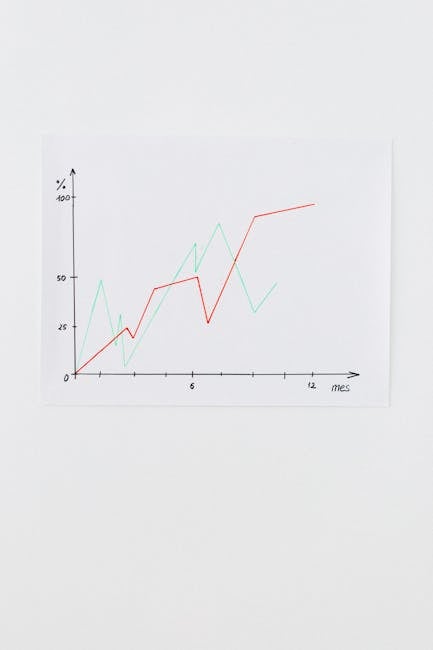
How to Measure ROI on Your Website Design Investment
Investing in website design is one of the most valuable decisions a business can make — but how do you know if it’s paying off?
Return on investment (ROI) isn’t just about money in versus money out. A successful website builds trust, generates leads, boosts sales, and supports growth. But to track ROI, you need the right tools and metrics in place.
This guide will show you how to evaluate the performance of your site and understand how good web design drives real business outcomes.
1. Define What ROI Means for Your Business
Before you can measure ROI, you need to define success. What’s the goal of your website?
- Generate leads?
- Increase online sales?
- Reduce support costs?
- Book appointments?
- Build brand awareness?
At G Web Design, we tailor every project to the specific outcomes your business needs.
2. Track Website Traffic & Engagement
Using tools like Google Analytics and Search Console, monitor:
- Total website visits
- Traffic sources (organic, social, referral, paid)
- Bounce rate
- Average time on page
- Pages per session
Improved user experience — a result of good website design South Africa practices — typically leads to better engagement.
3. Measure Conversion Rates
How many of your visitors take action? A conversion could be:
- Contact form submission
- Purchase
- Newsletter signup
- Phone call or WhatsApp message
Improving layout, calls to action, and form placement through better affordable web design can lift these numbers dramatically.
4. Check Lead or Sales Volume
If you’re generating more qualified leads or sales since your redesign, that’s a clear indicator of ROI.
Compare data:
- Before vs. after launch
- Monthly or quarterly trends
- Revenue attributed to web conversions
5. Evaluate Customer Feedback
Ask customers:
- Is the website easy to use?
- Did they find what they were looking for?
- Did the design influence their trust?
Happy users are more likely to convert.
6. Consider Operational Efficiency
A good site reduces admin time and simplifies operations:
- Fewer calls asking basic questions
- Online booking or quoting tools
- Self-service FAQs
These benefits may not show in sales figures but still deliver ROI by saving time and money.
7. Monitor Search Engine Rankings
If your site ranks higher after a redesign, it means:
- Better SEO structure
- Faster load speeds
- Mobile-friendly design
We focus on SEO in every web design Cape Town and national project.
8. Look at Repeat Visits and Loyalty
High return visitor rates suggest strong brand engagement. Your site should bring people back — not just once, but again and again.
This is especially important for:
- Blogs and content sites
- Membership platforms
- E-commerce shops
9. Calculate Cost vs Value
Add up all the benefits:
- More leads/sales
- Time saved
- Improved SEO
- Brand credibility
Then weigh them against the cost of design. Many affordable website design South Africa projects pay for themselves in a matter of months.
10. Use Real Business Data
Track tangible growth:
- Monthly revenue before vs after
- Lead volume change
- Customer acquisition cost (CAC)
If your site helps close more deals or convert better, the investment is working.
Final Thoughts
A smart website is an asset — not an expense. Measuring ROI helps ensure your site continues to support your goals and justify its value.
At G Web Design, our mission is to create sites that deliver measurable results. Let us help you build a return-focused website for your brand.
Check out our affordable website design packages and see how we maximise ROI for South African businesses.