
Menu Engines and Booking Apps: High-Performance Website Design for Restaurants
The Introduction: Reclaiming Your Restaurant’s Digital Independence
In the South African food and hospitality sector, a restaurant’s digital presence can no longer be pushed down to a secondary priority or left entirely to social media pages. While platforms like Instagram and TikTok are useful for initial visual discovery, they do not own the transactional relationship with your guests. When a diner is looking for a place to book a table for an anniversary dinner, or trying to find a localized menu to place a direct takeaway order on a Friday evening, they look for an official website. Relying entirely on third-party delivery marketplaces or unindexed social channels forces your business to pay high commission cuts and hides your brand behind generic listings. Standing out in a crowded culinary market requires a dedicated approach to website design for restaurants.
Many restaurant owners believe that uploading a basic PDF menu to a simple landing page is enough to satisfy digital diners. However, forcing mobile users on mobile networks to download a heavy, unoptimized PDF file just to see your prices creates a frustrating user experience that drives guests straight to your competitors. Modern restaurant web layouts require an interactive, mobile-first design where your menu is written directly in clean, responsive HTML code. This structural shift allows search engines to read, understand, and index your individual dishes, while giving your guests a smooth browsing experience on any device.
To truly build a resilient, independent food brand, your digital presence must connect directly to your physical kitchen workflows. Your website needs to handle real-time table reservations, process safe digital payments for collection orders, and display live menu adjustments without requiring complex coding adjustments. Aligning these specialized features with a dedicated focus on Industry Website Design ensures that your platform functions as a highly optimized business engine rather than a static digital flyer. When backed by a solid technical architecture built on Affordable Web Design principles, your restaurant secures a fast, visible platform designed to increase direct covers and protect your hard-earned profit margins.
The Digital Menu Engine (Why HTML Beats PDF and How to Structure Conversions)
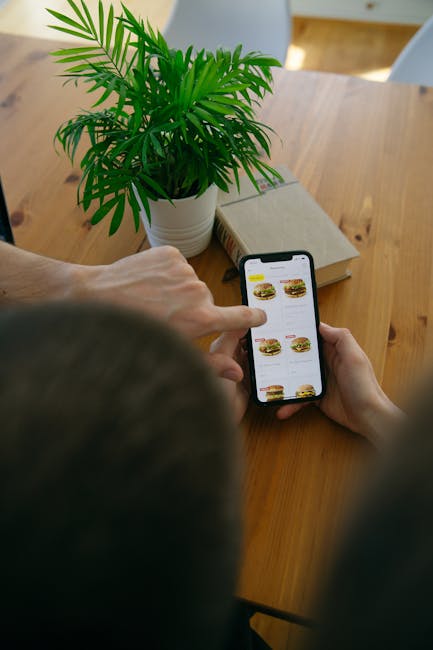
When a diner visits a restaurant’s website on a smartphone, they are usually looking for immediate answers: What food do you serve, how much does it cost, and how do I book a table? If your digital layout forces them to pinch-and-zoom through a heavy, multi-megabyte PDF attachment, you create immediate user friction.
True, professional website design for restaurants replaces outdated document downloads with an interactive, mobile-responsive HTML menu engine that loads instantly and guides guests smoothly toward a booking.
       [ Interactive Mobile Menu Architecture ]
┌───────────────────────────────────────────────┐
│ [≡] The Bistro Kitchen        [RESERVE TABLE] │ <── Fixed Booking Anchor
├───────────────────────────────────────────────┤
│  [ All ]  [ Steaks ]  [ Wood-Fired Pizza ]     │ <── Instant Category Filter
├───────────────────────────────────────────────┤
│                                               │
│  Wood-Fired Regina Pizza ............. R145   │ <── Clean Text Format (Indexed)
│  Slow-matured sourdough, fresh mozzarella,     │
│  prosciutto, and wild mushrooms.              │
│  [🌱 Vegetarian Option Available]            │ <── Dietary & Allergen Tags
│                                               │
│  [🛒 Add to Order]                            │ <── Direct Direct Checkout
│                                               │
└───────────────────────────────────────────────┘
1. The SEO Power of Live HTML Menus
An HTML menu is written directly into your website’s code blocks, making it fully readable by search engine crawlers. When local food lovers search for specific dishes in your area—such as “wood-fired sourdough pizza Cape Town” or “best authentic chicken tikka near me”—search bots can index your exact menu text and match your restaurant directly to those high-intent queries.
Furthermore, a live code menu allows you to update pricing, mark seasonal dishes as sold out, or change daily lunch specials inside your dashboard instantly, without needing to re-upload files or redesign graphic assets.
2. Streamlining Direct Bookings and Commission-Free Online Ordering
Relying entirely on third-party food delivery apps means giving up a massive percentage of your profit margins to high commission fees. A high-performance restaurant website reclaims your financial independence by integrating direct checkout and table management tools:
- Frictionless Table Reservations: Integrating lightweight booking widgets like Dineplan or custom calendars that allow guests to secure a table in real-time without phone delays.
- Commission-Free Collection Pipelines: Setting up direct online ordering forms for takeaway collections, keeping 100% of the transaction value inside your business bank account.
- Instant Digital Payments: Incorporating trusted South African payment gateways to accept secure credit card, Instant EFT, or Capitec Pay transactions seamlessly at checkout.
3. Creating a Sensory User Experience
Beyond functional forms, a premium hospitality layout uses high-quality, lightweight imagery and subtle micro-interactions to showcase the atmosphere of your dining room and the quality of your dishes. By serving optimized WebP images and deferring heavy tracking codes, your site stays incredibly fast, even on local mobile data connections.
Connecting this specific hospitality strategy to a structured approach for Industry Website Design allows your culinary brand to stand out from generic competitors.
When your digital ordering engine is anchored to a clean, reliable baseline of Ecommerce Website Design, your restaurant gains a powerful, automated sales system engineered to increase direct covers and maximize your daily takeaway revenue.
Hospitality Schema Code, Local Discovery, and Long-Term Digital Value
The final phase of building a dominant restaurant website focuses on injecting structured data that directly communicates with search engine algorithms. Once your interactive HTML menu engine and direct checkout portals are running smoothly, your code infrastructure must actively broadcast your operational data to the web, ensuring your establishment stands out on local maps and culinary search networks.
1. Hardcoding Advanced Restaurant Schema (JSON-LD)
Search engine bots require explicit semantic data to cleanly display your restaurant’s details—like operating hours, current pricing tiers, and direct reservation paths—inside organic search snippets. Injecting custom, hardcoded JSON-LD schema into your pages ensures your restaurant data stands out:
- Restaurant-Specific Schema Designations: Utilizing
@type": "Restaurant"tells search algorithms exactly what your hospitality business does, helping you outrank generic directory pages. - The
hasMenuStructural Array: Embedding your complete menu structure directly inside your schema code allows Google to display specific dishes and current prices straight inside search results. - Direct
servesCuisineProperty Tags: Explicitly labeling your culinary niche (e.g., Italian, Traditional Braai, Steakhouse) ensures your kitchen matches perfectly with highly targeted food searches in your city.
2. Capturing Weekend Foot Traffic and Group Events
The ultimate goal of your digital presence is filling tables during your core operational shifts and scaling up your off-peak revenue. Beyond your main homepage, a premium hospitality website includes optimized landing pages built to capture highly profitable group business, private functions, and corporate year-end events.
By detailing your venue capacity, providing downloadable function packages, and embedding clear multi-angle image galleries, your platform operates as an independent event coordinator that captures high-value group inquiries completely on autopilot.
3. Securing Long-Term Culinary Authority
Investing hours into building an independent digital ordering asset removes your kitchen from the endless cycle of paying rising commission percentages to third-party aggregate apps. It protects your cash flow and builds an ongoing pool of direct client data that you own entirely.
By linking these automated reservation tools with a dedicated focus on Industry Website Design, your hospitality brand establishes deep commercial authority in your target region.
When your interactive menu engine is anchored to an incredibly fast, highly responsive framework of Ecommerce Website Design, your restaurant secures a robust, high-performance digital asset designed to pack out your dining room, increase takeaway collections, and maximize your profit margins every single week.
Frequently Asked Questions About Restaurant Website Design
Why should my restaurant avoid using PDF menus on our website?
PDF menus are highly inefficient for mobile users, requiring them to download heavy files and zoom into unoptimized text on small screens. More importantly, search engine bots cannot read or index complex PDF documents as effectively as live text. Replacing documents with live HTML menus ensures your individual dishes can be read by search engines and ranked for local food searches.
Can I integrate my existing Dineplan or booking widget into a custom design?
Yes, completely. A custom web architecture allows you to cleanly embed third-party booking systems like Dineplan, Nightbridge, or custom reservation widgets directly into your layout using lightweight API snippets. This preserves your existing table management workflows while providing a faster, higher-converting user experience.
How does a restaurant website help reduce third-party app commission fees?
By building a direct, commission-free online ordering pipeline for collections and deliveries directly on your own domain, you encourage loyal local customers to order directly from your kitchen. This allows you to cut out the 15% to 30% commission cuts charged by aggregate delivery marketplaces, directly protecting your restaurant’s thin operating margins.