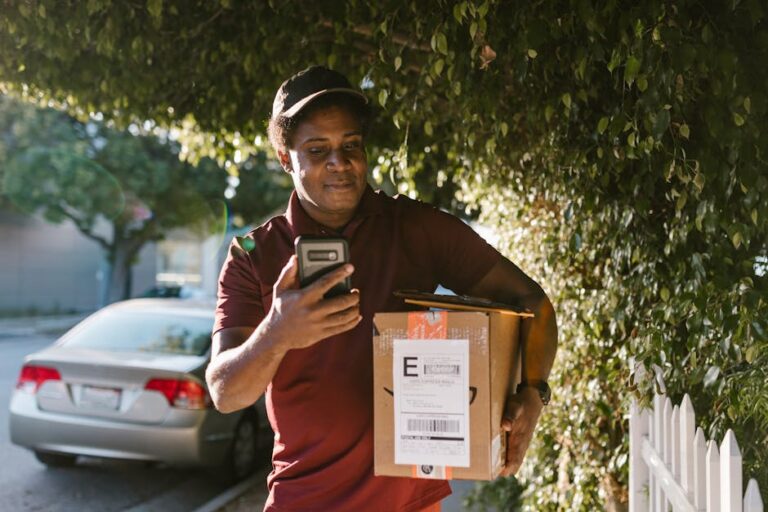


Zero-Friction Mobile Checkout: Biometrics, One-Tap Pay, and the End of the Traditional “Cart”
The shopping cart, once the cornerstone of e-commerce, has become its greatest liability. Cart abandonment rates hover between 69% and 80% globally, with mobile abandonment rates even higher as frustrated shoppers struggle with tiny form fields, endless checkout steps, and password fatigue. The traditional cart-to-checkout flow, designed for desktop browsers in the early 2000s, is fundamentally incompatible with how modern consumers shop on their smartphones. The solution? Zero-friction mobile checkout experiences powered by biometric authentication, one-tap payment systems, and cartless purchasing models that eliminate friction at the precise moment when conversion intent peaks.
The evolution of mobile payment technology has created an inflection point for e-commerce businesses. Apple Pay, Google Pay, and Samsung Pay have trained billions of consumers to authenticate purchases with a fingerprint, face scan, or device passcode, instantly, securely, and without typing. These same consumers increasingly abandon shopping experiences that still require manual entry of credit card numbers, shipping addresses, and account credentials. The gap between frictionless payment capabilities and traditional checkout processes represents a massive, quantifiable revenue leak that forward-thinking businesses are closing through zero-friction checkout redesign.
Biometric authentication represents the key enabler of truly frictionless checkout. When a customer’s fingerprint or face becomes their payment credential, the entire checkout paradigm shifts. There’s no need to create accounts, remember passwords, or manually enter payment details. A single biometric confirmation can authorize payment using stored credentials, populate shipping information from device settings, and complete the transaction in under three seconds. This capability doesn’t just reduce friction—it fundamentally reimagines the relationship between product discovery and purchase completion, enabling what industry experts call “ambient commerce” where buying feels as natural as any other smartphone interaction.
One-tap payment systems extend this frictionless philosophy to the entire purchase journey. Rather than navigating from product page to cart to checkout to payment confirmation, one-tap solutions allow customers to complete purchases directly from product pages, social media posts, email marketing messages, or even voice assistants. The cart becomes optional—or disappears entirely—as each product interaction becomes a potential purchase moment. This paradigm shift dramatically increases conversion rates, with businesses implementing one-tap solutions reporting 35-48% improvements in order completion and significant reductions in time-to-purchase.
This comprehensive guide explores the practical implementation of zero-friction mobile checkout for modern e-commerce businesses. We’ll examine the technologies enabling biometric and one-tap payments, the UX design principles that eliminate checkout friction, integration strategies for popular platforms like WooCommerce and Shopify, and a detailed technical checklist for implementation. Whether you’re a DTC brand seeking to maximize mobile conversions, an enterprise retailer modernizing checkout experiences, or a developer building next-generation commerce solutions, understanding zero-friction mobile checkout is essential for competing in the mobile-first commerce landscape of 2026 and beyond.
Section 1: The Cart Abandonment Crisis: Why Traditional Checkout Is Failing Mobile Users
Cart abandonment represents the single largest revenue leak in e-commerce, costing businesses an estimated $260 billion globally each year. On mobile devices—the primary shopping channel for over 70% of online consumers—abandonment rates climb even higher, frequently exceeding 85%. Understanding why mobile users abandon carts at such alarming rates is essential for appreciating why zero-friction checkout solutions are not merely nice-to-have optimizations but critical business survival mechanisms in the mobile-first commerce landscape.
The root causes of mobile cart abandonment are well-documented and deeply frustrating for e-commerce operators. According to Baymard Institute research, the primary reasons include: forced account creation (24% of abandoners), complicated checkout processes (22%), unexpected shipping costs (48%), slow delivery times (18%), lack of trust with credit card information (18%), website errors or crashes (17%), insufficient payment options (9%), and credit card declines (4%). While some of these factors involve pricing and logistics decisions beyond checkout design, many directly result from friction points in the traditional checkout flow that zero-friction solutions are specifically designed to eliminate.
Mobile checkout friction is exacerbated by the fundamental limitations of smartphone interfaces. Typing credit card numbers, expiration dates, CVV codes, and billing addresses on a 6-inch touchscreen is tedious and error-prone. Each form field increases the probability of abandonment—research indicates that reducing checkout form fields from 15 to 7 can increase conversion rates by 35%. Mobile keyboards obscure form fields, auto-correct introduces errors in addresses, and switching between numeric and alphabetic keyboards for mixed-format fields like credit card numbers creates cognitive friction that desktop users never experience.
The traditional multi-step checkout flow, designed for desktop browsers in the early 2000s, compounds mobile friction exponentially. A typical checkout requires users to navigate through: cart review, account login or guest checkout selection, shipping address entry, shipping method selection, payment information entry, billing address confirmation, order review, and final submission. Each step introduces additional loading times, potential errors, and decision points that consume the limited attention span of mobile shoppers. Studies show that each additional checkout step increases mobile abandonment rates by approximately 10%, making a 5-7 step traditional checkout process a conversion disaster on mobile devices.
Device performance variability and network conditions create additional mobile checkout challenges. A checkout flow that performs smoothly on a flagship iPhone connected to WiFi may become sluggish and frustrating on a budget Android device using mobile data. Form fields become difficult to tap accurately on smaller screens, autofill features behave inconsistently across browsers and devices, and security verification steps often interrupt flow at critical moments. These technical limitations amplify mobile checkout friction, particularly in markets like South Africa where network speeds and device capabilities vary significantly across demographic segments.
Cognitive load represents another significant factor in mobile checkout failure. On desktop, users can view more information simultaneously and are less likely to be multitasking. On mobile, shoppers often browse while in transit, multitasking, or in distracting environments. This means they have less patience and attention span for checkout processes. Lengthy forms, complex selections, and unexpected fees quickly deplete patience, leading to abandonment before purchase completion. Zero-friction solutions address this by minimizing cognitive load through stored credentials, biometric authentication, and one-tap payment confirmations that complete purchases before patience expires.
Trust factors are particularly important in mobile checkout. On desktop, users can see complete URLs, security certificate indicators, and other trust signals prominently displayed. On mobile, these signals are often collapsed or hidden in browser chrome. When asked to enter credit card information or personal data, users who don’t see clear security assurances are more likely to abandon. Additionally, mobile’s small screen makes it harder to verify that users are on legitimate merchant sites, increasing fraud concerns that zero-friction checkout solutions address through biometric authentication and familiar payment interfaces like Apple Pay and Google Pay that users already trust.
Section 2: Biometric Authentication: The Key to Frictionless Mobile Payments
Biometric authentication has emerged as the cornerstone technology enabling zero-friction mobile checkout experiences. By replacing passwords, PINs, and manual data entry with fingerprint scans, facial recognition, and voice authentication, biometrics eliminate the friction points that cause cart abandonment while simultaneously enhancing security. For e-commerce businesses seeking to maximize mobile conversion rates, understanding and implementing biometric payment authentication is no longer optional—it’s the baseline expectation of modern mobile consumers.
Fingerprint authentication remains the most widely adopted biometric payment method, available on virtually all modern smartphones through capacitive sensors under screens or dedicated hardware buttons. The technology maps unique ridge patterns on fingertips, storing encrypted templates locally on devices rather than transmitting biometric data to servers. When a customer initiates a purchase, a simple touch authenticates identity and authorizes payment in under one second. The familiarity of fingerprint authentication—used billions of times daily for device unlocking—means customers require no education or trust-building before adopting it for payments.
Facial recognition has rapidly gained prominence following Apple’s introduction of Face ID and its adoption by major payment platforms. Using infrared dot projectors and neural processing engines, modern facial recognition systems create detailed 3D maps of faces that resist spoofing through photographs or masks. For mobile checkout, facial recognition offers an entirely hands-free authentication experience—customers simply glance at their device to confirm purchases. This capability is particularly valuable for on-the-go shopping scenarios where one-handed device operation is required, such as commuting or multitasking environments.
Payment platform integration is the critical bridge between biometric authentication and e-commerce checkout. Apple Pay, Google Pay, Samsung Pay, and similar digital wallets serve as intermediaries, storing payment credentials securely and enabling biometric authorization at checkout. When a customer selects Apple Pay at checkout, the system requests fingerprint or face confirmation, validates identity against the device’s secure enclave, and transmits a tokenized payment credential to the merchant—never exposing actual card numbers. This tokenization adds an additional security layer while simplifying the checkout experience to a single biometric confirmation.
Web Authentication API (WebAuthn) extends biometric capabilities to mobile browsers without requiring app installation. This W3C standard enables websites to leverage device biometrics for user authentication and payment authorization through standard web technologies. For WooCommerce and Shopify merchants, WebAuthn integration allows biometric checkout directly in mobile browsers, eliminating the need for customers to download apps or manually enter credentials. The API communicates with device authenticators through platform-specific protocols, ensuring compatibility across iOS, Android, and other mobile operating systems.
Behavioral biometrics represent the next frontier in frictionless authentication, analyzing patterns like typing rhythm, device handling, and swipe characteristics to continuously verify user identity without explicit authentication steps. These passive biometric systems operate invisibly in the background, building confidence scores based on behavioral patterns. When a returning customer with established behavioral patterns initiates checkout, the system may authorize the purchase without any explicit authentication—a truly zero-friction experience. If behavioral patterns deviate significantly, the system escalates to active biometric confirmation, balancing convenience with security.
Implementation considerations for biometric checkout include fallback mechanisms for scenarios where biometrics fail—wet fingers, face masks, or device malfunctions should trigger alternative authentication methods rather than blocking purchases. Accessibility requirements demand consideration for users unable to provide standard biometrics due to physical conditions. And privacy regulations require transparent disclosure of biometric data handling, with clear consent mechanisms and data retention policies. Successful biometric checkout implementations address these considerations proactively, ensuring inclusive, compliant experiences for all customers.
Section 3: One-Tap Payment Systems: Eliminating the Cart Entirely
One-tap payment systems represent the ultimate expression of zero-friction checkout philosophy—enabling customers to complete purchases with a single interaction, bypassing traditional cart and checkout flows entirely. By collapsing the multi-step purchase journey into an instantaneous action, one-tap systems dramatically reduce abandonment rates while increasing impulse purchases and repeat buying frequency. Understanding how these systems work and how to implement them is essential for businesses seeking to maximize mobile conversion rates in 2026.
The traditional e-commerce purchase funnel follows a linear path: product discovery, add to cart, navigate to cart, proceed to checkout, enter information, confirm order, and submit payment. Each step introduces friction, loading time, and abandonment opportunity. One-tap payment systems eliminate this funnel entirely by connecting product interaction directly to purchase completion. A customer browsing products, reading marketing emails, or scrolling social media can complete a purchase without ever seeing a cart page—just tap the buy button, authenticate with biometrics, and the order is placed.
Apple Pay and Google Pay provide the foundational infrastructure for one-tap checkout on mobile devices. These digital wallets store payment credentials, shipping addresses, and contact information securely on devices, accessible through biometric authentication. When merchants integrate Apple Pay or Google Pay buttons on product pages, customers can initiate and complete purchases without entering any information—the wallet provides all necessary data after biometric confirmation. This integration reduces checkout time from minutes to seconds, with some implementations completing transactions in under three seconds from product page to order confirmation.
Platform-specific one-tap solutions extend beyond digital wallets. Amazon’s “Buy Now” button leverages stored customer data to enable single-tap purchases for logged-in users. Shopify’s Shop Pay remembers customer preferences across all Shopify merchants, enabling accelerated checkout on any store in the ecosystem. PayPal One Touch maintains authentication sessions for up to six hours, allowing purchases without re-authentication during active sessions. These solutions reduce friction for returning customers who have already established payment relationships with the platform.
Social commerce integrations bring one-tap purchasing directly into social media environments. Instagram Shopping, TikTok Shop, and Pinterest Product Pins enable in-app purchases without redirecting to merchant websites. When a customer discovers a product through social media content, they can complete the purchase within the social app using stored payment credentials—no website visit, no cart, no traditional checkout. This social-native purchasing experience captures impulse purchases that would otherwise be lost during the redirect to merchant websites.
Headless commerce architectures enable one-tap checkout across any digital touchpoint through API-driven purchase flows. Rather than being constrained by traditional e-commerce platform templates, headless architectures expose purchase APIs that can be triggered from any interface: mobile apps, voice assistants, smart TVs, IoT devices, or even physical retail kiosks. A customer watching a cooking show could purchase featured ingredients through their smart TV remote. A voice assistant user could reorder household supplies through conversational commerce. Each interaction becomes a potential purchase moment, limited only by imagination rather than platform capabilities.
Implementation strategies for one-tap payment require careful consideration of trust signals, error handling, and customer communication. One-tap purchasing creates anxiety for some customers who fear accidental purchases—clear confirmation mechanisms, easy cancellation windows, and prominent order summaries build confidence. Order confirmation communications must be immediate and comprehensive, providing receipts, tracking information, and customer service access. And fraud prevention systems must be robust enough to detect and prevent unauthorized one-tap purchases while not adding friction to legitimate transactions.
Section 4: Implementation Strategies: Integrating Zero-Friction Checkout into WooCommerce and Shopify
Implementing zero-friction mobile checkout requires thoughtful integration with existing e-commerce platforms. For the millions of businesses running WooCommerce and Shopify stores, the transition from traditional cart-based checkout to biometric and one-tap payment experiences demands careful planning, appropriate plugin selection, and strategic configuration. This section explores practical implementation approaches for both platforms, highlighting the tools, plugins, and best practices that enable seamless zero-friction checkout deployment.
WooCommerce, as an open-source WordPress plugin, offers extensive flexibility for checkout customization through its robust API and hook system. The foundation for zero-friction checkout begins with WooCommerce’s native support for digital wallets. The WooCommerce Payments plugin integrates Apple Pay and Google Pay directly into checkout flows, displaying wallet buttons prominently on product pages, cart pages, and checkout pages. Configuration requires SSL certificate installation, domain verification with Apple and Google, and testing across devices to ensure wallet buttons appear correctly. Once activated, customers can complete purchases using stored wallet credentials with biometric authentication—eliminating form fields entirely.
For WooCommerce merchants seeking deeper one-tap capabilities, specialized plugins extend native functionality. One-Click Checkout for WooCommerce enables purchase completion directly from product pages, bypassing cart and checkout pages entirely. Plugins like Bolt and Fast provide platform-agnostic one-tap checkout experiences that work across multiple payment processors. These solutions typically use JavaScript overlays that capture customer interactions, initiate payment processing with stored credentials, and return order confirmations without page navigation. Integration requires adding provided scripts to WooCommerce theme files and configuring webhook endpoints for order synchronization.
Shopify’s checkout ecosystem is more controlled but equally capable of zero-friction experiences. Shop Pay, Shopify’s accelerated checkout solution, remembers customer preferences across all Shopify stores, enabling one-tap purchases for returning customers. The Shop Pay button appears on product pages and checkout, reducing completion time to seconds for enrolled customers. For new customers, Shop Pay offers SMS-based verification that pre-fills checkout forms with information from previous Shopify purchases—creating frictionless experiences without requiring app installation or account creation.
Shopify’s checkout extensibility framework enables deeper customization through checkout UI extensions. Merchants can add biometric authentication prompts, one-tap payment buttons, and personalized checkout flows through Shopify’s app ecosystem. Apps like ReConvert and OneClickUpsell enable post-purchase one-tap offers, while apps like Klarna and Afterpay integrate buy-now-pay-later options that require minimal customer information. Shopify Plus merchants gain access to checkout.liquid customization, enabling complete redesign of checkout flows to prioritize zero-friction principles.
Headless commerce implementations offer maximum flexibility for zero-friction checkout across both platforms. By decoupling front-end presentation from back-end commerce logic, headless architectures enable custom checkout experiences built with modern JavaScript frameworks (React, Vue, Next.js). For WooCommerce, the REST API exposes all necessary endpoints for building custom checkout flows. For Shopify, the Storefront API and Hydrogen framework enable React-based checkout implementations. These headless approaches allow businesses to create unique zero-friction experiences—like instant purchases from social media feeds or voice-activated ordering—that wouldn’t be possible within platform templates.
Testing and optimization are critical for successful zero-friction checkout implementation. A/B testing frameworks should compare traditional checkout flows against zero-friction alternatives, measuring conversion rates, average order values, and customer satisfaction scores. Device-specific testing ensures biometric and one-tap features work correctly across iOS and Android versions, screen sizes, and browser variations. Performance monitoring tracks checkout load times and payment processing latency, identifying bottlenecks that could reintroduce friction. And customer feedback loops capture qualitative insights about checkout experiences, informing iterative improvements that maximize conversion while maintaining security and trust.
Technical Checklist: Implementing Zero-Friction Mobile Checkout
Successfully deploying zero-friction mobile checkout requires careful planning, appropriate technology selection, and rigorous testing. This comprehensive checklist provides actionable steps for e-commerce businesses seeking to eliminate checkout friction and maximize mobile conversion rates through biometric authentication, one-tap payment systems, and cartless purchasing experiences.
1. Foundation and Platform Setup
- SSL Certificate: Ensure full HTTPS coverage across all pages, particularly product, cart, and checkout pages—required for digital wallet integration and biometric APIs.
- Platform Compatibility: Verify WooCommerce (5.0+) or Shopify (Online Store 2.0+) version compatibility for required checkout features and APIs.
- Mobile Theme Optimization: Implement responsive design with mobile-first principles, ensuring fast load times (under 3 seconds) on mobile networks.
- Payment Gateway Setup: Configure primary payment processors with support for tokenization and digital wallet integration (Stripe, Square, Adyen recommended).
- Testing Environment: Establish staging environment for testing zero-friction checkout without affecting live store operations.
2. Digital Wallet Integration
- Apple Pay Setup: Register merchant ID with Apple, verify domain, and integrate Apple Pay JS API for web checkout.
- Google Pay Configuration: Register with Google Pay API, configure payment gateway integration, and implement Google Pay button on product and checkout pages.
- Samsung Pay Integration: For Android-focused audiences, integrate Samsung Pay through supported payment processors.
- Button Placement: Position digital wallet buttons prominently above fold on product pages, cart pages, and checkout pages.
- Testing Protocol: Test wallet flows across iOS Safari, Android Chrome, and various device configurations.
3. Biometric Authentication Implementation
- WebAuthn Integration: Implement W3C Web Authentication API for browser-based biometric authentication without app installation.
- Fallback Mechanisms: Configure alternative authentication methods (SMS OTP, email verification) for devices without biometric capabilities.
- Security Considerations: Ensure biometric data remains on-device through secure enclave integration, never transmitted to servers.
- Accessibility Compliance: Provide alternative authentication methods for users unable to use standard biometrics.
- Privacy Disclosure: Implement clear consent mechanisms and privacy policy updates for biometric data handling.
4. One-Tap Checkout Configuration
- Product Page Checkout: Enable buy-now buttons that bypass cart entirely, completing purchases directly from product pages.
- Saved Customer Profiles: Implement secure storage of customer payment and shipping information for returning customers.
- Social Commerce Integration: Enable in-app purchases through Instagram Shopping, TikTok Shop, and Pinterest Product Pins.
- Headless Commerce APIs: For custom implementations, expose purchase APIs for integration with mobile apps, voice assistants, and IoT devices.
- Confirmation Flows: Design immediate, comprehensive order confirmations with receipts, tracking information, and customer service access.
5. Performance Optimization
- Checkout Load Time: Optimize checkout page load to under 2 seconds on mobile networks through image compression, code minification, and CDN usage.
- Form Field Reduction: Minimize required form fields to essential information only, leveraging digital wallet data for auto-population.
- Progress Indicators: Implement clear progress indicators for any multi-step processes, showing users their position in the checkout flow.
- Error Handling: Design graceful error recovery that maintains user progress when payment processing fails or network issues occur.
- Offline Capabilities: Consider progressive web app (PWA) features enabling basic checkout functionality during network interruptions.
6. Security and Fraud Prevention
- Tokenization: Implement payment tokenization to ensure actual card numbers never touch merchant servers.
- 3D Secure 2.0: Configure 3D Secure 2.0 authentication for card payments, balancing security with minimal friction through risk-based authentication.
- Fraud Detection: Integrate machine learning-based fraud detection that analyzes transaction patterns without adding checkout friction.
- Chargeback Prevention: Implement address verification, CVV validation, and customer communication protocols to minimize chargebacks.
- PCI Compliance: Maintain PCI DSS compliance through tokenization and secure payment processor integration.
7. Testing and Optimization
- A/B Testing: Compare traditional checkout flows against zero-friction alternatives, measuring conversion rates and customer satisfaction.
- Device Testing: Test across iOS and Android versions, screen sizes, browsers, and network conditions.
- User Session Recording: Implement tools like Hotjar or FullStory to identify friction points in zero-friction checkout flows.
- Performance Monitoring: Track checkout load times, payment processing latency, and error rates continuously.
- Customer Feedback: Collect qualitative feedback about checkout experiences through post-purchase surveys and support interactions.
By systematically completing this checklist, e-commerce businesses can implement zero-friction mobile checkout experiences that dramatically reduce cart abandonment, increase conversion rates, and meet the expectations of modern mobile consumers.
Conclusion: The Inevitable Future of Zero-Friction Mobile Checkout
The evolution from traditional cart-based checkout to zero-friction mobile purchasing represents not merely an incremental improvement but a fundamental reimagining of the e-commerce transaction. As we’ve explored throughout this comprehensive guide, the technologies enabling biometric authentication, one-tap payments, and cartless purchasing have matured to the point where friction-filled checkout experiences are increasingly indefensible. Businesses that continue forcing customers through multi-step form sequences on mobile devices are actively choosing lower conversion rates, higher abandonment, and competitive disadvantage.
The math is compelling and unforgiving. With mobile commerce accounting for over 70% of e-commerce transactions and cart abandonment rates exceeding 85% on mobile devices, the revenue opportunity in friction reduction is staggering. A business processing R10 million in annual mobile sales with an 80% abandonment rate could recover R2-4 million in additional revenue by reducing abandonment to industry-leading levels achieved through zero-friction implementations. This isn’t speculative optimization—it’s proven ROI demonstrated by businesses across industries and geographies.
Biometric authentication has emerged as the cornerstone technology, replacing passwords and manual data entry with fingerprint scans and facial recognition that complete authentication in under one second. Combined with payment tokenization through Apple Pay, Google Pay, and similar digital wallets, biometric checkout eliminates the form fields, account creation prompts, and security concerns that drive mobile abandonment. The technology is mature, consumer adoption is widespread, and integration options exist for every major e-commerce platform.
One-tap payment systems push the zero-friction philosophy to its logical extreme—enabling purchase completion from any digital touchpoint without navigating through traditional cart and checkout flows. Social commerce integrations, headless commerce architectures, and platform-specific solutions like Shop Pay demonstrate that the purchase journey can be compressed to a single interaction. As consumers increasingly expect instant gratification in all digital interactions, one-tap checkout will transition from competitive advantage to competitive necessity.
Implementation barriers have never been lower. Platform plugins, payment processor integrations, and headless commerce tools provide multiple pathways to zero-friction checkout regardless of technical resources or budget constraints. The technical checklist provided in this guide offers a systematic approach to implementation, from SSL certificates and digital wallet setup through biometric integration, performance optimization, and continuous testing. Businesses that begin implementation now will establish conversion advantages that compound as mobile commerce continues growing.
Looking ahead, the frontier of zero-friction checkout continues advancing. Voice-activated purchasing, augmented reality product visualization with instant purchase, IoT-enabled automatic reordering, and AI-powered predictive purchasing will push friction even lower. The traditional shopping cart, already optional in many implementations, will eventually disappear entirely from the consumer consciousness—a relic of an era when technology limitations required artificial steps between desire and acquisition. The future belongs to businesses that make purchasing as effortless as any other smartphone interaction, and that future is available today.